





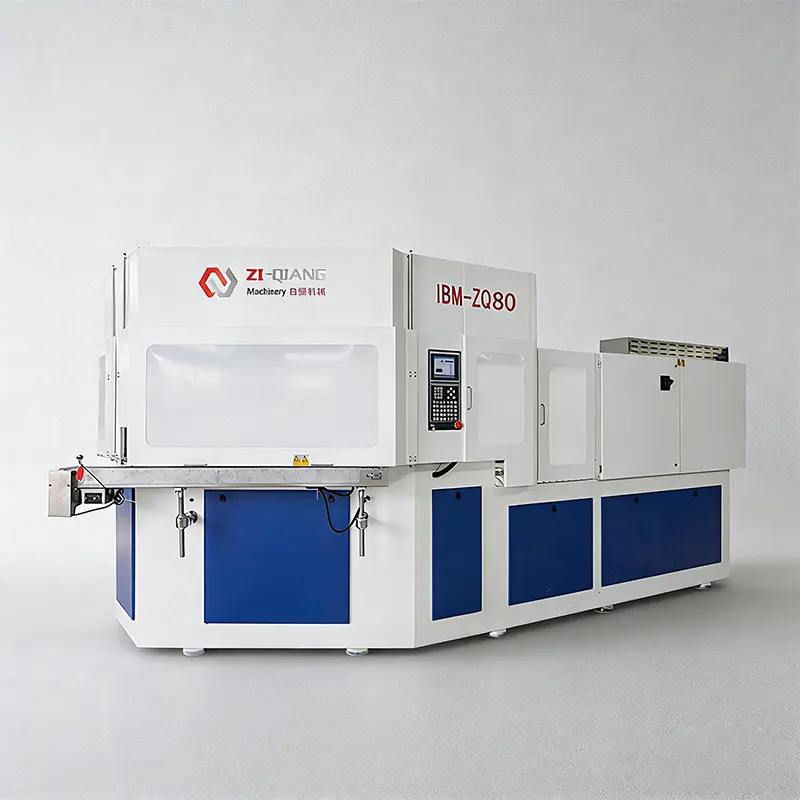
Injection Blow Molding Machine & Full Electric IBM Machine: Driving Precision in B2B Plastic Manufacturing
In the fast-paced B2B plastic manufacturing landscape, the Injection Blow Molding Machine (IBM) has become an indispensable tool for producing high-precision hollow plastic products. From pharmaceutical vials to cosmetic bottles and food packaging, IBM machines deliver consistent quality and efficiency that meet the strict standards of modern industries. Among the various types of IBM machines, the Full electric IBM machine has emerged as a game-changer,addressing the growing demand for energy efficiency, sustainability, and micro-level precision. For B2B buyers, understanding the technology, benefits, and how to choose reliable blow molding machine suppliers is crucial to optimizing production costs, improving product quality, and gaining a competitive edge. This article provides a comprehensive, data-backed overview of these key elements, tailored specifically for B端 (B2B) professionals.
What Is an Injection Blow Molding Machine (IBM)?
Core Working Principle & Process
An Injection Blow Molding Machine is a specialized industrial device that combines two key processes—injection molding and blow molding—to produce hollow plastic products. Unlike extrusion blow molding (EBM), which uses a continuous plastic extrudate, IBM machines follow a three-step integrated process that ensures superior precision and consistency, making them ideal for high-end B2B applications:1. Injection Stage: Molten plastic resin (commonly PET, PP, HDPE, or PVC) is injected into a mold cavity to form a rigid tubular preform (parison) with a pre-molded threaded neck—critical for products like bottles and vials that require secure sealing.
2. Transfer Stage: The preform is transferred to a blow mold while still hot (typically at 120–180°C, depending on the resin), maintaining its malleability for the final shaping process.
3. Blow Stage: Compressed air (at 0.3–1.0 MPa, varying by plastic type) is injected into the preform, expanding it to fit the shape of the blow mold. The product then cools, solidifies, and is ejected, ready for further processing or packaging.
This process eliminates the need for secondary trimming (unlike EBM) and ensures tight dimensional tolerances, with wall thickness variation as low as ±0.01mm—essential for industries like pharmaceuticals and cosmetics where consistency is non-negotiable.
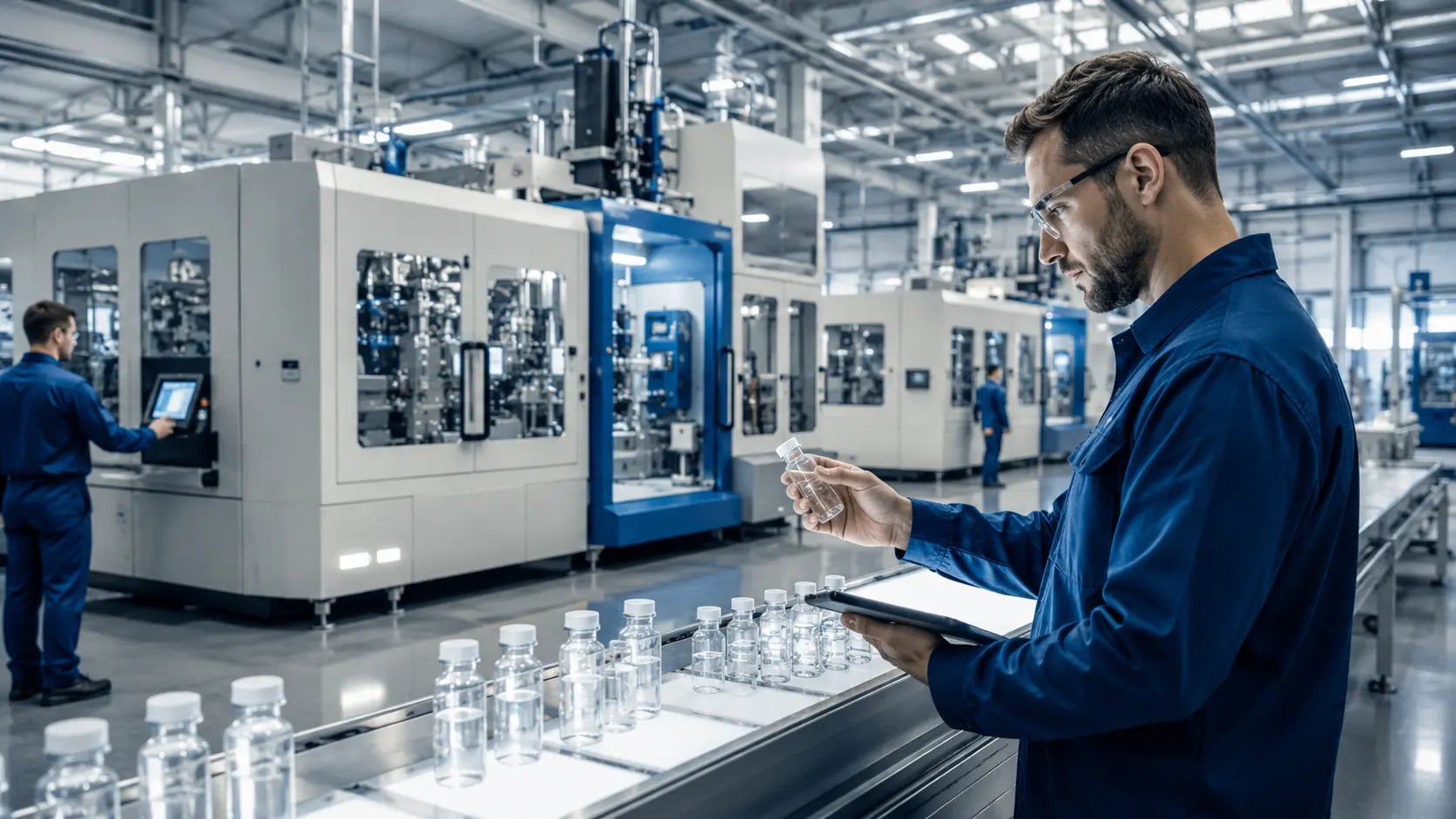
Market Data & B2B Industry Impact (2025–2035)
The global Injection Blow Molding Machine market is experiencing steady growth, driven by rising demand for sustainable packaging, advancements in automation, and the shift from glass to lightweight plastic containers. Key B2B-relevant data includes:- 2025 Market Size: USD 2.7 billion (up from USD 2.4 billion in 2024), with B2B sales accounting for 92% of total revenue.
- 2035 Forecast: USD 3.5 billion, with a CAGR of 2.5% from 2025 to 2035—fueled by increased adoption in emerging markets (China, India, Southeast Asia).
- Leading Segments: Rotary IBM machines dominate the market, holding 59% of global share in 2025, followed by reciprocating screw models (32%).
- Key B2B End-Users: Pharmaceuticals (31% of demand), cosmetics (27%), food & beverage (22%), and healthcare (20%)—all requiring high-precision, compliant production solutions.
Full Electric IBM Machine: Advantages for B2B Manufacturers
What Is a Full Electric IBM Machine?
A Full electric IBM machine is an advanced iteration of traditional hydraulic IBM machines, where all core movements—injection, mold clamping, blow molding, and ejection—are driven by independent servo motors instead of hydraulic systems. Unlike hydraulic models, which rely on oil pumps and valves (leading to energy waste and contamination risks), full electric machines use digital controls and ball screws to deliver precise, on-demand power—making them ideal for B2B manufacturers focused on efficiency and sustainability.Data-Driven Advantages Over Hydraulic IBM Machines
For B2B buyers, the shift to Full electric IBM machine technology translates to tangible cost savings, improved quality, and compliance with global sustainability standards. Key advantages, backed by industry data, include:1. Energy Efficiency: Full electric machines consume 40–60% less energy than hydraulic counterparts. A 150-ton full electric IBM machine uses 30,000–40,000 kWh annually, compared to 80,000–100,000 kWh for a hydraulic model—reducing operational costs by 15–25% annually for high-volume producers.
2. Precision & Consistency: Digital servo control delivers ±0.01mm positioning accuracy, reducing defect rates to less than 1% (vs. 3–5% for hydraulic machines). This is critical for B2B applications like medical vials, where dimensional errors can lead to compliance failures and costly recalls.
3. Clean & Compliant Operation: Without hydraulic oil, full electric machines eliminate leaks, contamination risks, and oil mist—making them suitable for cleanroom environments (Class 7/8) required by pharmaceutical and food packaging industries. They also operate at ≤75dB (15dB quieter than hydraulic machines), improving workplace safety and compliance with OSHA standards.
4. Lower Long-Term Costs: Full electric models have 30% fewer moving parts than hydraulic machines, reducing maintenance costs to 1–2% of the machine’s value annually (vs. 3–5% for hydraulic models). While initial investment is 30–50% higher, energy and maintenance savings deliver a 2–3 year ROI for B2B manufacturers with annual production volumes exceeding 1 million units.
B2B Application Scenarios for Full Electric IBM Machines
Thanks to their precision, cleanliness, and efficiency, Full electric IBM machine models are best suited for B2B sectors with strict quality and compliance requirements:- Pharmaceuticals: Sterile vials, syringes, and drug packaging (compliant with FDA and ISO 13485 standards).
- Cosmetics: Luxury bottles, jars, and tubes (consistent surface finish, precise threading for premium branding).
- Food & Beverage: Small-volume bottles (e.g., baby food, condiments) and dairy packaging (food-grade cleanliness).
- Healthcare: Medical devices, diagnostic containers, and labware (tight tolerances, biocompatibility).
Choosing Reliable Blow Molding Machine Suppliers: B2B Guide
Key Criteria for B2B Buyers
For B2B manufacturers, selecting the right blow molding machine suppliers is as critical as choosing the right technology. Poor supplier selection can lead to downtime, costly repairs, and non-compliant products. Key factors to prioritize include:1. Technical Expertise: Suppliers with deep experience in Injection Blow Molding Machine and Full electric IBM machine technology, offering customized solutions for specific resin types, product sizes, and production volumes.
2. Quality & Certification: Machines compliant with ISO, CE, FDA, and industry-specific standards (e.g., ISO 13485 for medical applications). Suppliers should provide third-party testing reports to verify performance claims.
3. After-Sales Support: Global service networks, 24/7 technical support, and spare parts availability (critical for minimizing downtime). The best suppliers offer on-site training for operators and maintenance teams.
4. Cost-Value Balance: Competitive pricing aligned with machine capabilities, energy efficiency, and long-term ROI. Avoid suppliers offering "low-cost" models that lack durability or compliance features.
5. Innovation & R&D: Suppliers investing in smart technology (IoT connectivity, predictive maintenance) to future-proof operations. This includes remote monitoring of machine performance and real-time alerts for potential issues.
Top Global Blow Molding Machine Suppliers (2026)
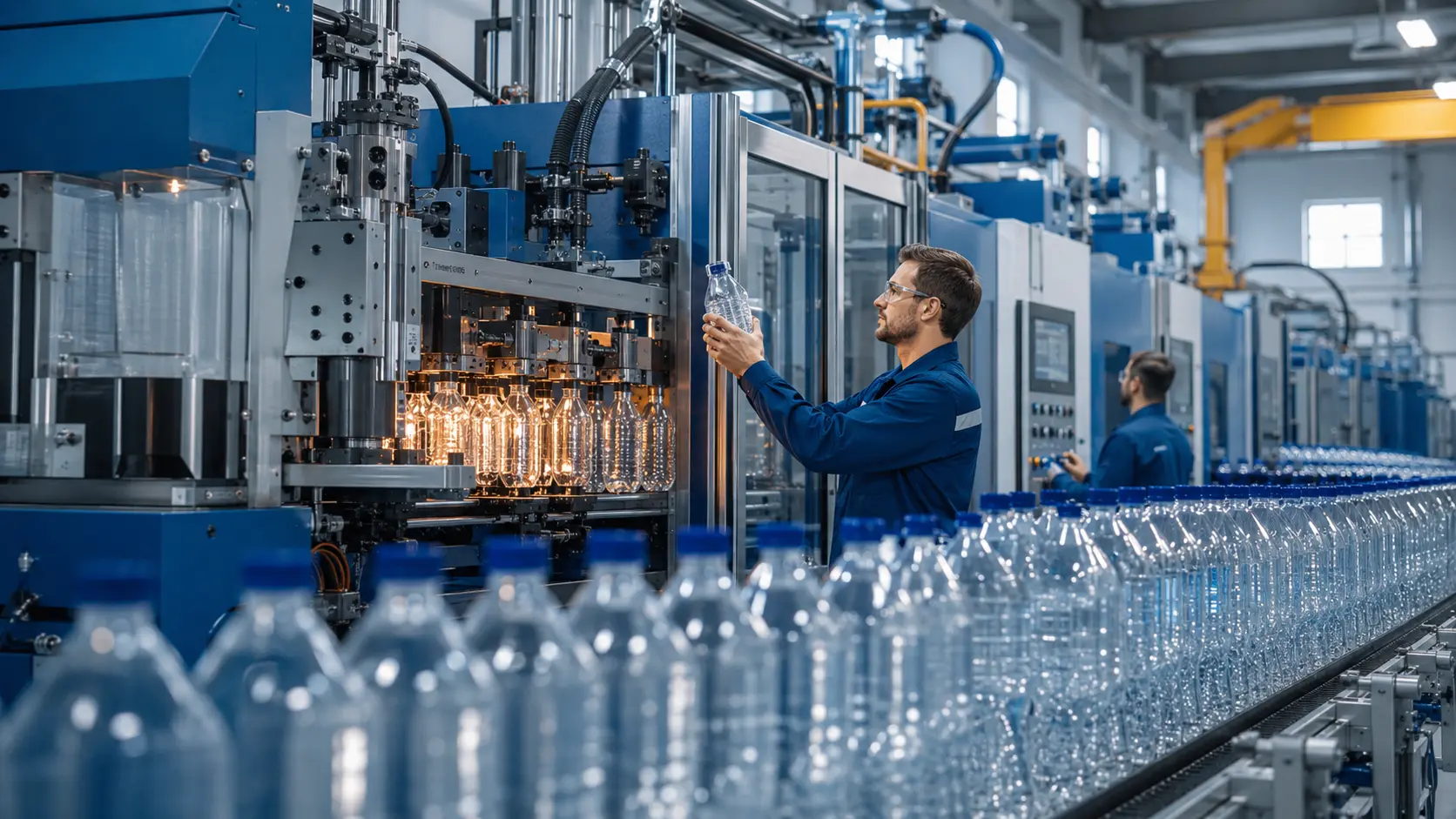
The global market for blow molding machine suppliers features established leaders and innovative regional players, each catering to different B2B needs. Key suppliers specializing in Injection Blow Molding Machine and Full electric IBM machine technology include:
1. SACMI IMOLA S.C. (Italy): A global leader in packaging machinery, offering rotary and full electric IBM machines for high-volume B2B production. Serves food, beverage, and pharmaceutical industries, with a 15% global market share in full electric IBM machines.
2. Nissei ASB Machine Co., Ltd. (Japan): A pioneer in one-step injection stretch blow molding (ISBM), manufacturing compact, energy-efficient full electric IBM machines for PET and high-performance resins. Trusted by premium cosmetic and pharmaceutical brands worldwide.
3. Haitian Plastic Machinery (China): A leading Chinese supplier with a global footprint, offering cost-effective full electric IBM machines for mid-range B2B production. Services 130+ countries, with a focus on food and beverage packaging.
4. Jomar Corporation (USA): Specializes in hydraulic and full electric IBM machines for small-to-medium B2B production, with expertise in pharmaceutical and cosmetic packaging. Offers customizable models and local after-sales support in North America.
5. Bekum Maschinenbau GmbH (Germany): Renowned for precision engineering, producing full electric IBM and extrusion blow molding machines for industrial packaging and technical parts. Compliant with strict European quality standards.
Conclusion: Full Electric IBM Machines & Trusted Suppliers for B2B Success
The Injection Blow Molding Machine remains a cornerstone of modern B2B plastic manufacturing, enabling the production of high-quality, precision-engineered hollow products. The Full electric IBM machine takes this technology to the next level, offering unmatched energy efficiency, precision, and sustainability—critical for B2B manufacturers looking to reduce costs, improve compliance, and meet evolving market demands.By partnering with reliable blow molding machine suppliers that prioritize technical expertise, quality, and after-sales support, B2B businesses can future-proof their operations, optimize production efficiency, and deliver products that meet the strict standards of their end-users. Whether you’re a small-to-medium manufacturer or a large enterprise, investing in full electric IBM technology and choosing the right supplier is a strategic decision that drives long-term profitability and competitive advantage in the global plastic manufacturing market.