





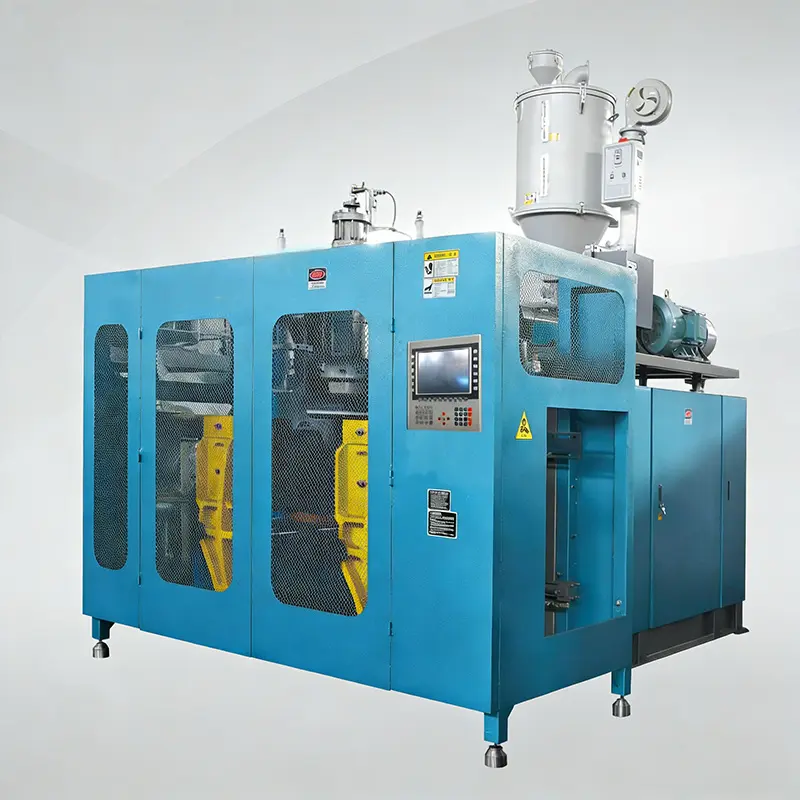
Full Electric IBM Machine vs. Traditional Injection Blow Molding Machine: A Paradigm Shift for B2B Manufacturers
In the global B2B manufacturing landscape, the injection blow molding machine is an indispensable equipment for producing high-quality hollow plastic products, widely used in pharmaceutical, food and beverage, cosmetics, and industrial packaging sectors. As B2B enterprises increasingly pursue cost optimization, production efficiency, and sustainability, the traditional hydraulic injection blow molding machine is gradually being replaced by the full electric IBM machine (Integrated Blow Molding Machine).According to a 2026 report from a Japanese market research institute, the global injection blow molding machine market is expected to grow at a CAGR of 3.4% from 2026 to 2032, reaching $1.261 billion by 2032, with full electric models accounting for an expanding share due to their superior performance and energy-saving advantages.
The injection blow molding process combines two core stages: injection molding to form precise preforms and blow molding to shape the final hollow products. This technology requires high consistency and precision, which are critical for B2B clients to meet industry standards and market demands. Traditional hydraulic injection blow molding machines, while reliable, have inherent flaws such as high energy consumption, slow response speed, and difficulty in achieving high precision—shortcomings that can no longer keep up with the evolving needs of modern B2B production.
In contrast, the full electric IBM machine, driven by advanced servo motors and intelligent control systems, addresses these pain points, bringing a revolutionary transformation to the injection blow molding industry.
For B2B manufacturers, the transition from traditional injection blow molding machines to full electric IBM machines is not just an equipment upgrade, but a strategic investment that directly impacts operational costs, product quality, and market competitiveness. This article explores the core advantages, real-world applications, and market trends of full electric IBM machines, providing actionable insights for B2B enterprises looking to optimize their production lines.
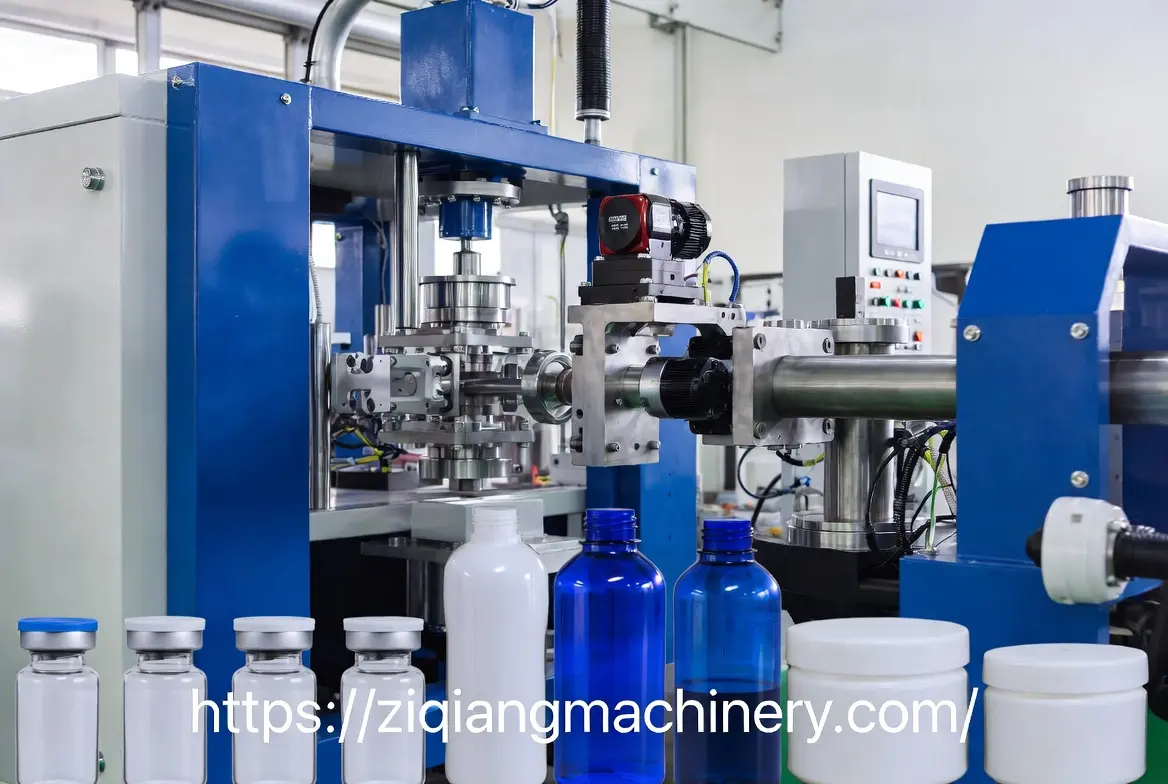
Core Advantages of Full Electric IBM Machine for B2B Manufacturers
B2B enterprises focus on measurable benefits that directly affect their bottom line. The full electric IBM machine delivers tangible advantages over traditional injection blow molding machines, supported by authoritative industry data and real application cases, making it a compelling choice for manufacturers aiming to enhance operational efficiency and product quality.1. Exceptional Energy Efficiency and Cost Reduction
Energy consumption is a major operational cost for B2B manufacturers using injection blow molding machines. Unlike traditional hydraulic models that require continuous energy to maintain hydraulic pressure (even during idle periods), full electric IBM machines use servo motors that only consume energy when in operation, achieving 30% to 60% energy savings compared to hydraulic injection blow molding machines.According to the 2025 Global Injection Molding Machine Industry Development White Paper, a full electric IBM machine consumes approximately 220 kWh per ton of raw material, while a hydraulic injection blow molding machine consumes 380 kWh per ton—a 42% reduction in energy usage.
Additionally, full electric IBM machines eliminate the need for hydraulic oil, reducing maintenance costs associated with oil changes, filtration, and leakage repairs. A study by the Plastic Machinery Industry Association shows that B2B manufacturers using full electric IBM machines save an average of $9,000 to $13,000 annually in maintenance costs per machine. For large-scale production facilities operating 10 or more injection blow molding machines, this translates to annual savings of over $100,000, significantly improving profit margins.
2. Superior Precision and Product Consistency
In B2B sectors such as pharmaceutical and high-end packaging, product precision is non-negotiable. Full electric IBM machines adopt servo motors with closed-loop control systems, achieving repeat positioning accuracy of ±0.01 mm, which is far higher than the ±0.03 mm precision of traditional hydraulic injection blow molding machines. This level of precision ensures consistent wall thickness, dimensional accuracy, and surface finish, reducing product defects and material waste.A leading European pharmaceutical manufacturer replaced its hydraulic injection blow molding machines with full electric IBM machines to produce 10ml medical vials. The transition reduced product defects from 2.8% to 0.15%—a 94.6% improvement—and improved wall thickness uniformity to 98.5%, exceeding the industry average of 92%. This not only reduced material waste by 35% but also ensured compliance with strict GMP (Good Manufacturing Practices) standards, a key requirement for B2B clients in the pharmaceutical industry.
3. Faster Cycle Times and Higher Productivity
B2B manufacturers rely on high productivity to meet large orders and tight delivery deadlines. Full electric IBM machines offer faster cycle times than traditional hydraulic injection blow molding machines, thanks to their rapid response and precise control.The all-electric drive system eliminates the lag caused by hydraulic oil flow, reducing cycle times by 20% to 35% on average. For example, in the production of 500ml PET bottles, a full electric IBM machine can complete a production cycle in 7 to 10 seconds per piece, compared to 14 to 18 seconds for a hydraulic injection blow molding machine.
A multinational food and beverage packaging company in Asia reported that after switching to full electric IBM machines, its daily production volume increased from 15,000 pieces to 28,000 pieces per production line—a 86.7% improvement. This allowed the company to fulfill larger orders without expanding production capacity, increasing its market share by 12% within one year and strengthening its position in the B2B packaging market.
4. Enhanced Sustainability and Environmental Compliance
Sustainability has become a top priority for B2B enterprises, driven by global environmental regulations and customer demand for eco-friendly products. Full electric IBM machines support sustainability goals by reducing energy consumption, eliminating hydraulic oil leakage (a major source of environmental pollution), and lowering carbon emissions.According to industry data, a single full electric IBM machine reduces carbon emissions by approximately 1.5 tons per year compared to a hydraulic injection blow molding machine of the same capacity.
Furthermore, full electric IBM machines operate at a noise level below 65 decibels—about 30% quieter than hydraulic models—which improves working conditions for employees and helps manufacturers comply with occupational health and safety regulations. This is particularly important for B2B clients operating in urban areas or cleanroom environments, such as pharmaceutical and electronics manufacturers.
Key Applications of Full Electric IBM Machine in B2B Industries
The full electric IBM machine is highly versatile and adaptable to various B2B industries, where its precision, efficiency, and sustainability make it an ideal choice for producing high-quality products. Below are key applications supported by real-world data and case studies.1. Pharmaceutical and Medical Device Industry
The pharmaceutical industry requires strict compliance with GMP standards, and full electric IBM machines are designed to meet these requirements. These machines feature fully enclosed production chambers, oil-free lubrication systems, and online cleaning (CIP) capabilities, ensuring products are free from contamination.A leading North American pharmaceutical company used full electric IBM machines to produce injectable drug containers, achieving a microbial residue level of less than 0.08 CFU per bottle—two orders of magnitude lower than the industry average—and reducing annual recall losses by over $250,000.
2. Food and Beverage Packaging Industry
The food and beverage industry is the largest user of injection blow molding machines, with growing demand for plastic bottles, jars, and containers. Full electric IBM machines are ideal for this industry due to their high productivity, precision, and ability to handle a wide range of materials (PET, PP, PE). A global food group uses full electric IBM machines in 11 of its 14 global production facilities, with over 250 machines in operation. The company reported that the machines have an average trouble-free operation time of 8,500 hours—30% higher than the industry average—and reduce maintenance costs by 45%.3. Cosmetics and Personal Care Industry
The cosmetics industry demands high-quality packaging with consistent appearance and dimensional accuracy. Full electric IBM machines deliver the precision needed to produce complex shapes and designs, such as luxury cosmetic bottles and jars. An international cosmetics brand installed full electric IBM machines in its Asian production base, integrating AI visual inspection systems to detect product defects at a speed of 220 pieces per minute with an error rate of less than 0.4%. This helped the company improve its packaging line automation rate to 92% and reduce product waste by 32%.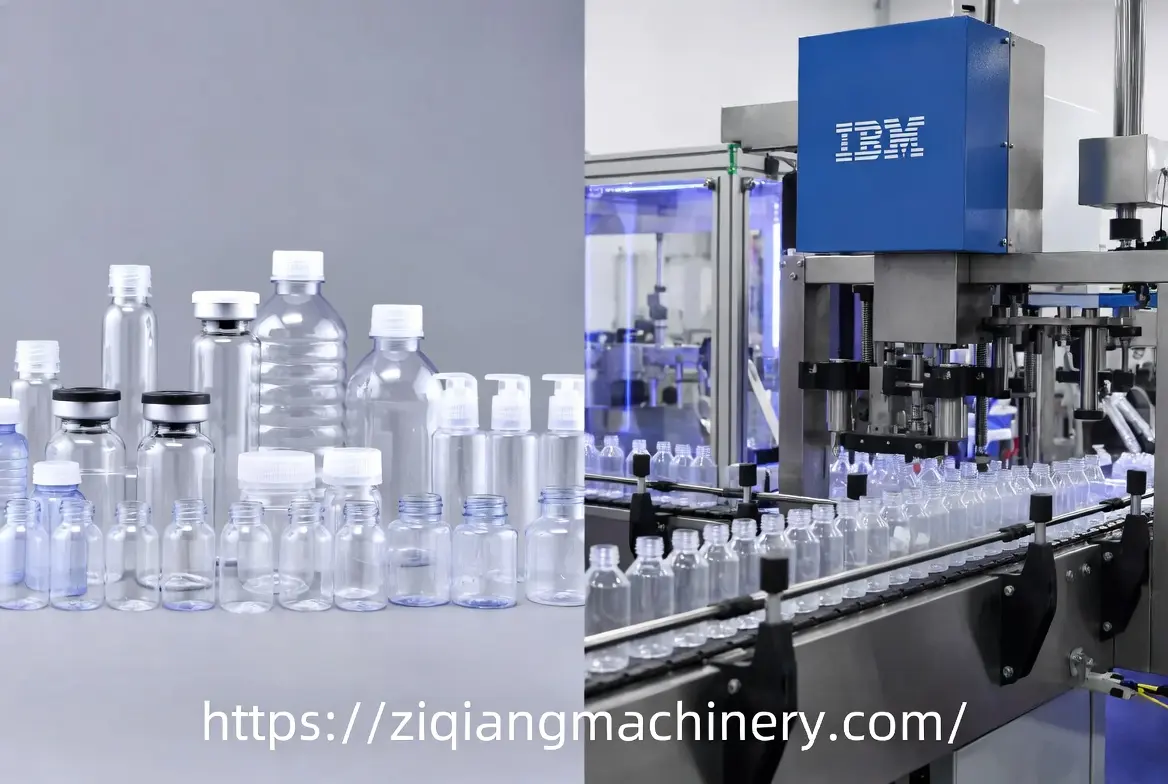
Future Trends: Full Electric IBM Machine and Digital Transformation in Injection Blow Molding
As B2B enterprises embrace digital transformation, full electric IBM machines are evolving to integrate advanced technologies such as IoT, AI, and cloud computing—aligning with IBM’s vision of AI-driven enterprise productivity improvement. IBM predicts that by 2030, AI will drive enterprise productivity up by 40%, and this transformation is already being applied to full electric IBM machines. These smart features enable real-time monitoring of machine performance, predictive maintenance, and remote control, further improving efficiency and reducing downtime.For example, IBM’s Watsonx Orchestrate platform can be integrated with full electric IBM machines to manage AI agents, enabling real-time data extraction, high-speed transmission, and AI-driven production planning. This integration helps B2B manufacturers optimize production schedules, reduce unplanned downtime by 30% to 40%, and improve overall equipment efficiency (OEE) to over 85%.
The global market for full electric IBM machines is expected to grow faster than the overall injection blow molding machine market. By 2030, full electric models are projected to account for over 65% of the global injection blow molding machine market, as B2B manufacturers continue to prioritize efficiency, sustainability, and product quality.
Conclusion: Why B2B Enterprises Should Prioritize Full Electric IBM Machine
For B2B manufacturers in the plastic packaging, medical device, and consumer goods industries, the full electric IBM machine is a strategic investment that delivers measurable benefits. From 30% to 60% energy savings and 20% to 35% faster cycle times to 94.6% reduction in product defects and enhanced sustainability, the full electric IBM machine addresses the core needs of B2B enterprises: cost reduction, productivity improvement, and compliance with industry standards.Compared to traditional injection blow molding machines, full electric IBM machines not only optimize production processes but also align with global sustainability goals and meet the growing demand for high-quality products. As the injection blow molding industry continues to evolve, the full electric IBM machine will remain at the forefront of innovation, enabling B2B enterprises to stay competitive in a rapidly changing market. By adopting this advanced technology, manufacturers can unlock new growth opportunities and achieve long-term success in the B2B market.