





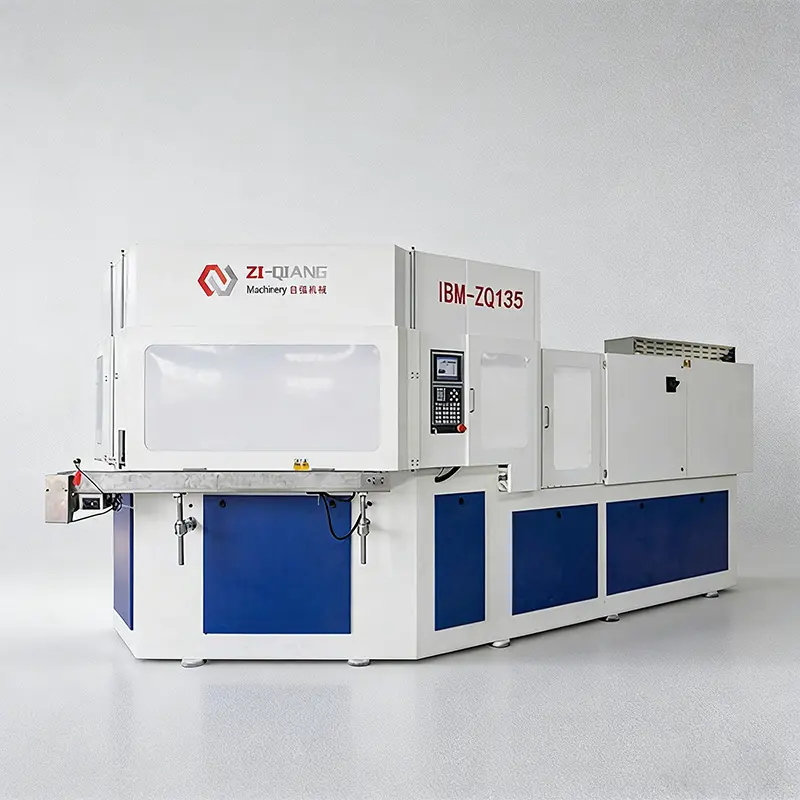
Introduction: The Core Role of Molding Equipment in Modern Manufacturing
Plastic products have become an indispensable part of daily life and industrial production, from small medical vials to large packaging containers. Behind this widespread application lies the continuous innovation of molding equipment, among which the injection blow molding machine and full electric blowing machine are two core devices driving the development of the plastic processing industry. As the cornerstone of equipment supply, injection molding machine manufacturer play a crucial role in promoting technological upgrading, improving production efficiency, and realizing green manufacturing. This article will popularize the working principles, technical characteristics and application scenarios of these two types of machines, and analyze the industry layout and development trends from the perspective of manufacturers, with real data and practical cases to show the value of this field.
Injection Blow Molding Machine: Precision Molding for Small to Medium-Sized Hollow Products
Working Principle and Core Advantages
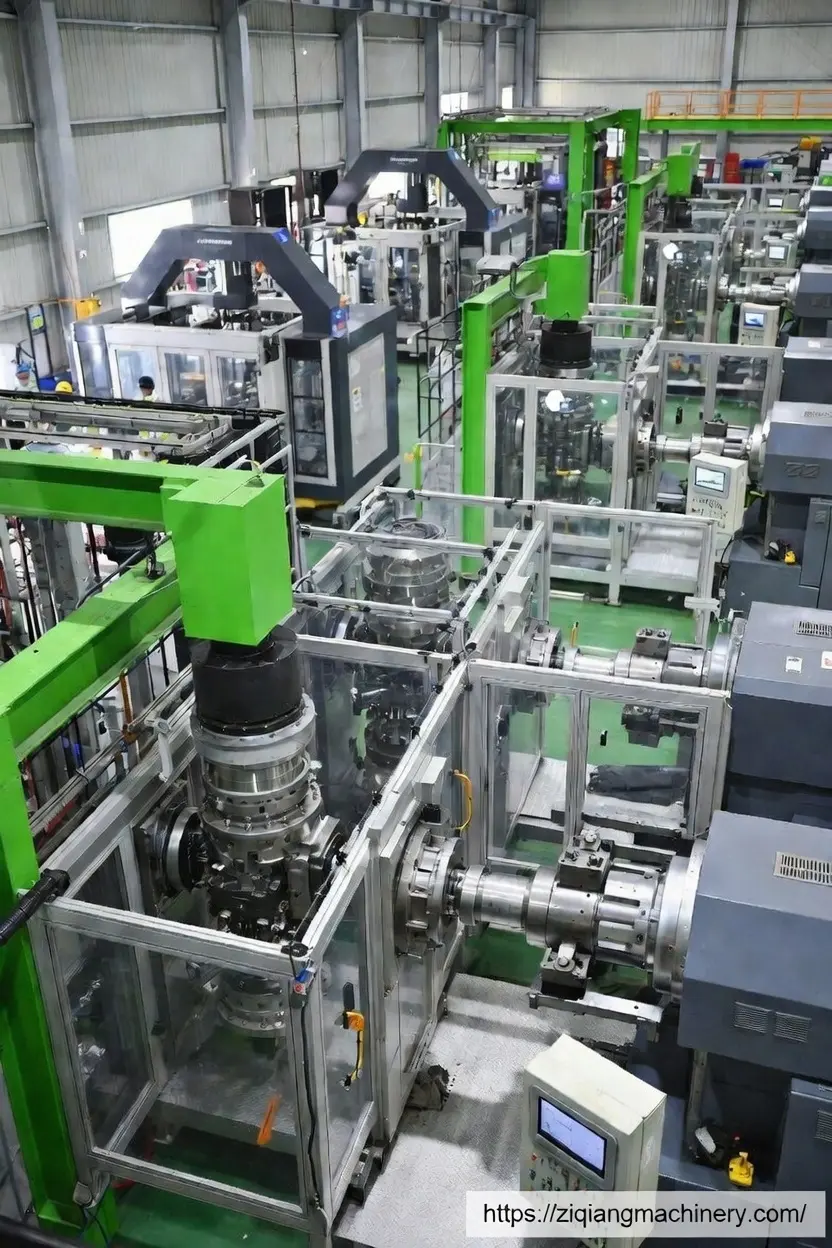
The injection blow molding machine integrates injection molding and blow molding technologies, realizing the one-time forming of hollow plastic products. Its working process is divided into three key stages: first, the plastic raw material is melted and injected into the injection mold to form a preform with a bottom; then, the preform is transferred to the blow mold by a rotating mechanism; finally, high-pressure air is injected into the preform to make it expand and fit the inner wall of the blow mold, and the product is obtained after cooling and demolding. Unlike traditional extrusion blow molding machines, the injection blow molding machine has no flash on the product, and the neck and mouth of the product have high precision, which is especially suitable for products requiring strict sealing.
According to market data released in 2026, the globalinjection blow molding machine market size reached 2.8 billion US dollars, with a year-on-year growth of 5.3%. Its core advantages are reflected in three aspects: first, high molding precision, the wall thickness deviation of the product can be controlled within ±2% to ±5%, and the dimensional error of the neck part is less than 0.1mm; second, high production efficiency, a medium-sized injection blow molding machine can complete 600-1200 cycles per hour, and the qualified rate of products is as high as 98% above; third, strong adaptability, which can process a variety of thermoplastic materials such as PE, PP, PET, and produce products with a volume of 5ml to 2L, covering cosmetic bottles, medical vials, oral liquid bottles and other fields.
Typical Application Scenarios
In the medical field, injection blow molding machine is the core equipment for producing disposable medical containers. For example, the production of 10ml medical vials requires strict control of wall thickness uniformity to ensure the stability of drug storage. A well-known injection molding machine manufacturer launched a dedicated medical injection blow molding machine, which adopts a closed-loop control system to make the wall thickness deviation of the vial less than 1%, meeting the GMP standards of the medical industry. In the cosmetic industry, the machine is used to produce high-precision cosmetic bottles, which can realize the integrated molding of complex shapes such as frosted surfaces and embossed patterns, reducing the subsequent processing steps and improving production efficiency.
Full Electric Blowing Machine: The Trend of Green and Intelligent Molding
Technical Upgrade and Performance Advantages
With the promotion of global "double carbon" goals and the improvement of environmental protection requirements, the full electric blowing machine has gradually replaced the traditional hydraulic blowing machine and become the new mainstream of the industry. Different from hydraulic machines that rely on hydraulic oil for power transmission, thefull electric blowing machine adopts servo motor direct drive, which fundamentally solves the problems of hydraulic oil leakage, high energy consumption and high noise.Relevant data show that compared with traditional hydraulic blowing machines, the full electric blowing machine can save 30% to 40% of energy. When producing 5L plastic barrels, the electric model consumes about 15kw of electricity per hour, while the hydraulic model needs 25-30kw. In terms of molding stability, the servo motor provides real-time speed and position feedback through the encoder, and the control precision of parameters such as screw speed and blow molding pressure can reach ±0.1mm, and the wall thickness deviation of the product can be controlled within ±0.05mm. In addition, the machine has low noise (≤75 decibels), no hydraulic oil pollution, and is more suitable for the production of food, medical and other high-demand products. The average maintenance cycle of the full electric blowing machine is extended by more than 50% compared with hydraulic machines, because it has no vulnerable parts such as hydraulic valves and sealing rings, and only needs regular inspection of motor bearings and transmission gears.
Market Performance and Manufacturer Layout
In 2025, the global market share of full electric blowing machine has reached 35%, and it is expected to exceed 50% by 2030. Major injection molding machine manufacturer have accelerated the R&D and production of full electric models. For example, JWELL Machinery launched the JWZ-EBM series full electric blow molding machine, which adopts full servo drive, with a maximum plasticizing capacity of 160kg/h and a dry cycle of 700*2 pieces per hour, suitable for food, medical and cosmetic packaging production. Another well-known manufacturer, APOLLO, launched a single-station and double-station series of full electric extrusion blow molding machines, which can produce containers with a capacity of 200ml to 20L, covering both small precision products and medium-sized packaging containers.
Injection Molding Machine Manufacturer: The Driving Force of Industry Development
Core Responsibilities and Technical Innovation
Injection molding machine manufacturer are not only equipment suppliers, but also promoters of industry technological progress. Their core responsibilities include optimizing product structure, improving equipment performance, and providing customized solutions according to the needs of different industries. In recent years, with the development of Industry 4.0, manufacturers have integrated IoT, digital twin and other technologies into injection blow molding machine and full electric blowing machine, realizing real-time monitoring of equipment operation status, remote maintenance and intelligent adjustment of process parameters.According to the 2026 Global Injection Molding Machinery Outlook Report, there are more than 2000 injection molding machine manufacturer around the world, among which Haitian International, Engel, KraussMaffei and other leading enterprises account for more than 40% of the global market share. These manufacturers invest 5% to 8% of their annual revenue in R&D, focusing on improving the energy efficiency, precision and intelligence of equipment. For example, Chinese injection molding machine manufacturer have promoted the localization of core components, and the localization rate of servo motors and control systems has increased from 35% in 2020 to 60% in 2023, greatly reducing equipment costs.
Future Development Trends
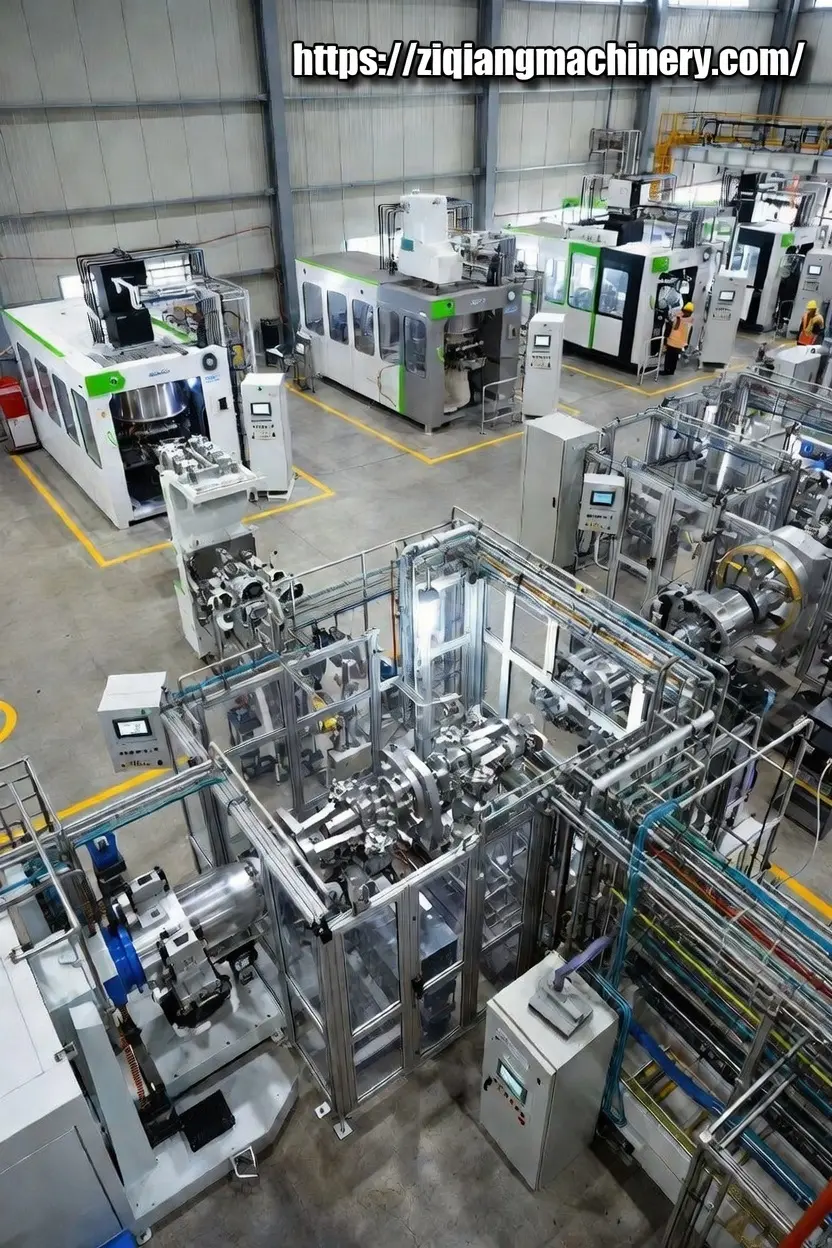
Driven by market demand and policy guidance, injection molding machine manufacturer will focus on three directions in the future: first, greenization, continuing to optimize the energy-saving performance of full electric blowing machine, and developing equipment suitable for biodegradable materials; second, intelligence, integrating AI algorithms to realize automatic adjustment of process parameters and prediction of equipment failures, reducing manual intervention; third, customization, providing personalized equipment solutions for emerging fields such as new energy vehicles and 3C electronics.