





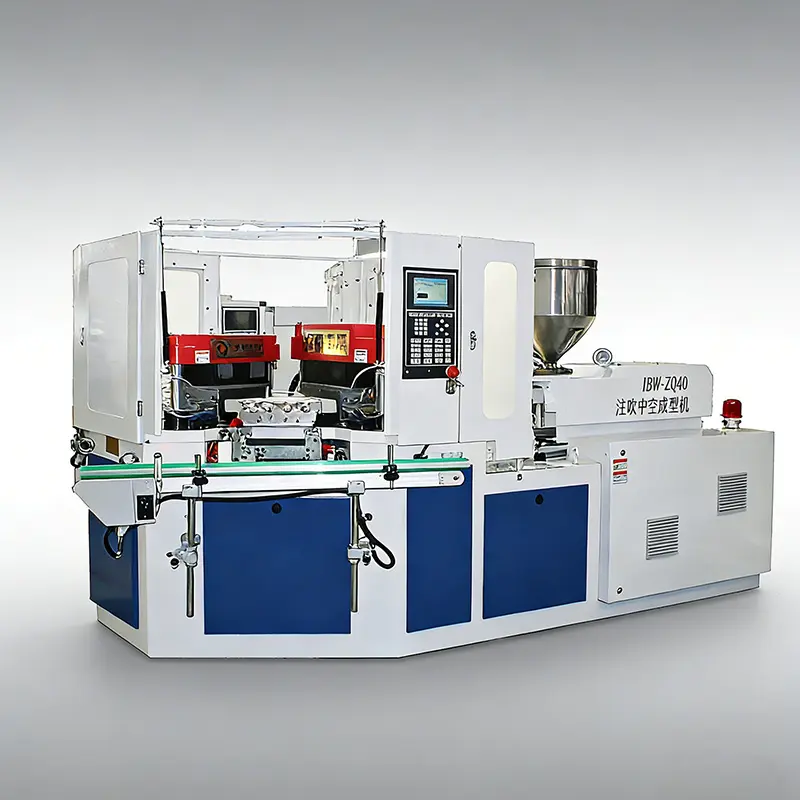
This comprehensive guide covers everything from working principles, components, and types, to industrial applications, manufacturer selection, and future trends. By the end of this guide, you will have a complete understanding of PE bottle blowing machines and how to leverage them for maximum efficiency.
What Is a PE Bottle Blowing Machine?
A PE bottle blowing machine is a specialized device that transforms plastic resins such as HDPE and LDPE into hollow bottles of various sizes and shapes. The process relies on blow molding technology, which inflates a molten plastic tube (parison) inside a mold to form the desired bottle shape.Core Features:
• High production efficiency• Uniform wall thickness for better durability
• Adaptable to different bottle sizes and designs
• Compatible with HDPE, LDPE, and specialty resins
Key Industries Using PE Bottle Blowing Machines:
• Beverage and dairy (water, juice, milk)• Cosmetics (shampoo, lotion, creams)
• Pharmaceuticals (syrups, medicine bottles)
• Household chemicals (cleaners, detergents)
Example: A high-speed PE bottle blowing machine can produce 5,000–10,000 bottles per hour, making it ideal for large-scale beverage manufacturers.
How Does a PE Bottle Blowing Machine Work?
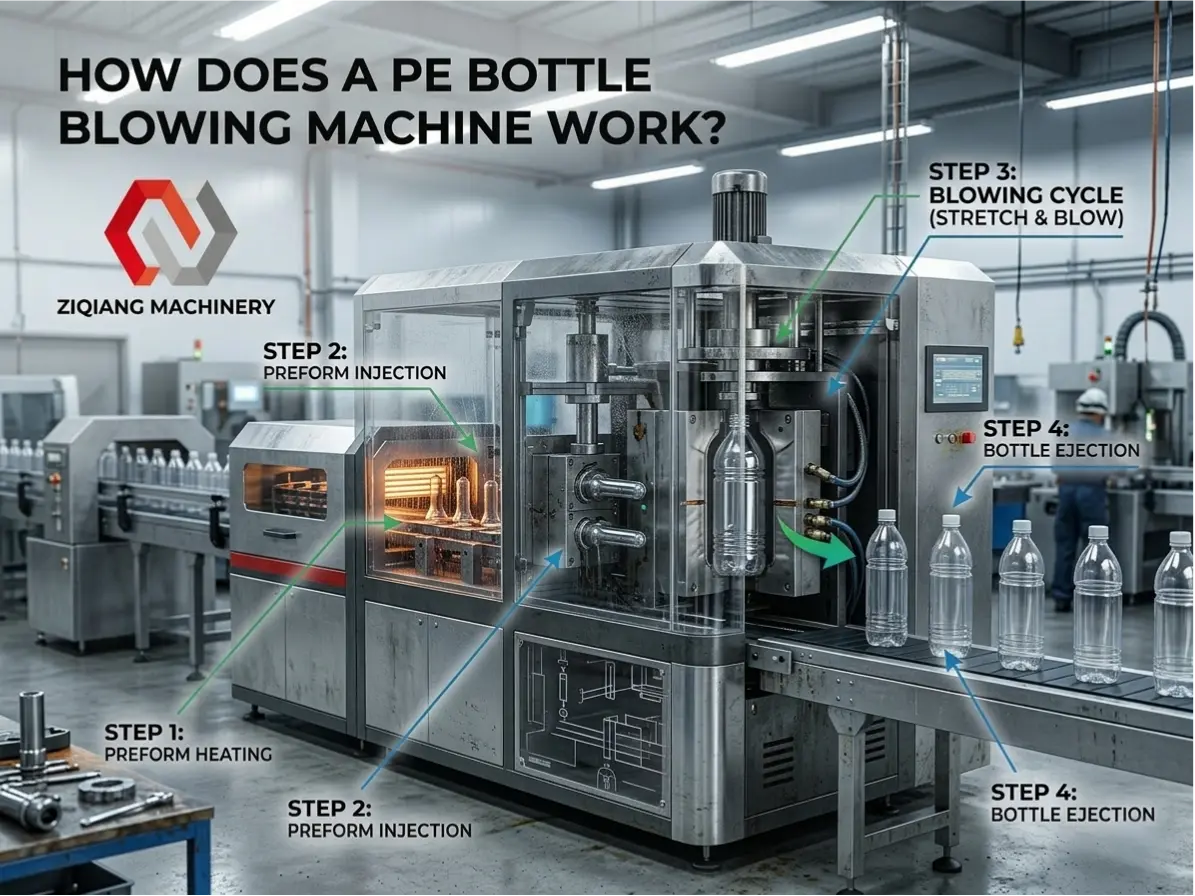
The working principle of a PE bottle blowing machine involves several key steps:
• Feeding Raw Materials: HDPE or LDPE pellets are fed into the machine’s extruder.
• Melting and Extrusion: Pellets are heated until molten and extruded as a parison (hollow tube).
• Mold Clamping and Air Blowing: The parison is clamped in a mold, and compressed air inflates it into the mold shape.
• Cooling: The mold and bottle are cooled to solidify the shape.
• Ejection: The finished bottle is ejected, inspected, and sent to packaging.
Production Process Table:
| Step | Action | Purpose |
| 1 | Raw material feeding | Introduce HDPE/LDPE pellets |
| 2 | Melting & extrusion | Form parison |
| 3 | Mold clamping | Hold parison securely |
| 4 | Air inflation | Shape bottle |
| 5 | Cooling | Solidify bottle |
| 6 | Ejection | Ready for inspection & packaging |
Key Components of a PE Bottle Blowing Machine
A high-performance PE bottle blowing machine is made up of several critical components:•Extruder: Melts and pushes plastic pellets into a parison.
•Mold Clamping Unit: Holds molds firmly to prevent deformation.
•Air Compressor: Supplies compressed air for shaping bottles.
•Cooling System: Maintains bottle integrity and speeds up production.
•Conveyor & Ejection System: Ensures smooth removal of bottles.
•Control Panel: Automates processes, monitors production, and reduces errors.
Additional Features:
•Automatic lubrication systems•Safety interlocks
•Energy-efficient motors
Types of PE Bottle Blowing Machines Used in Industry
PE bottle blowing machines are classified based on their molding technology:-
Extrusion Blow Molding Machine:
- Suitable for medium to large bottles
- Flexible shapes and sizes
- Common in chemical and detergent industries
-
Injection Blow Molding Machine:
- Produces small, precise bottles
- Ideal for cosmetics and pharmaceuticals
-
Injection Stretch Blow Molding Machine:
- Ensures clarity and strength
- Preferred in water, juice, and milk bottles
Comparison Table:
| Type | Advantages | Ideal Use |
| Extrusion Blow Molding | High output, flexible sizes | Industrial bottles |
| Injection Blow Molding | Small, precise bottles | Pharma & cosmetic bottles |
| Injection Stretch Blow Molding | Clear & strong | Beverage bottles |
Raw Materials Used in PE Bottle Blowing Machine Production
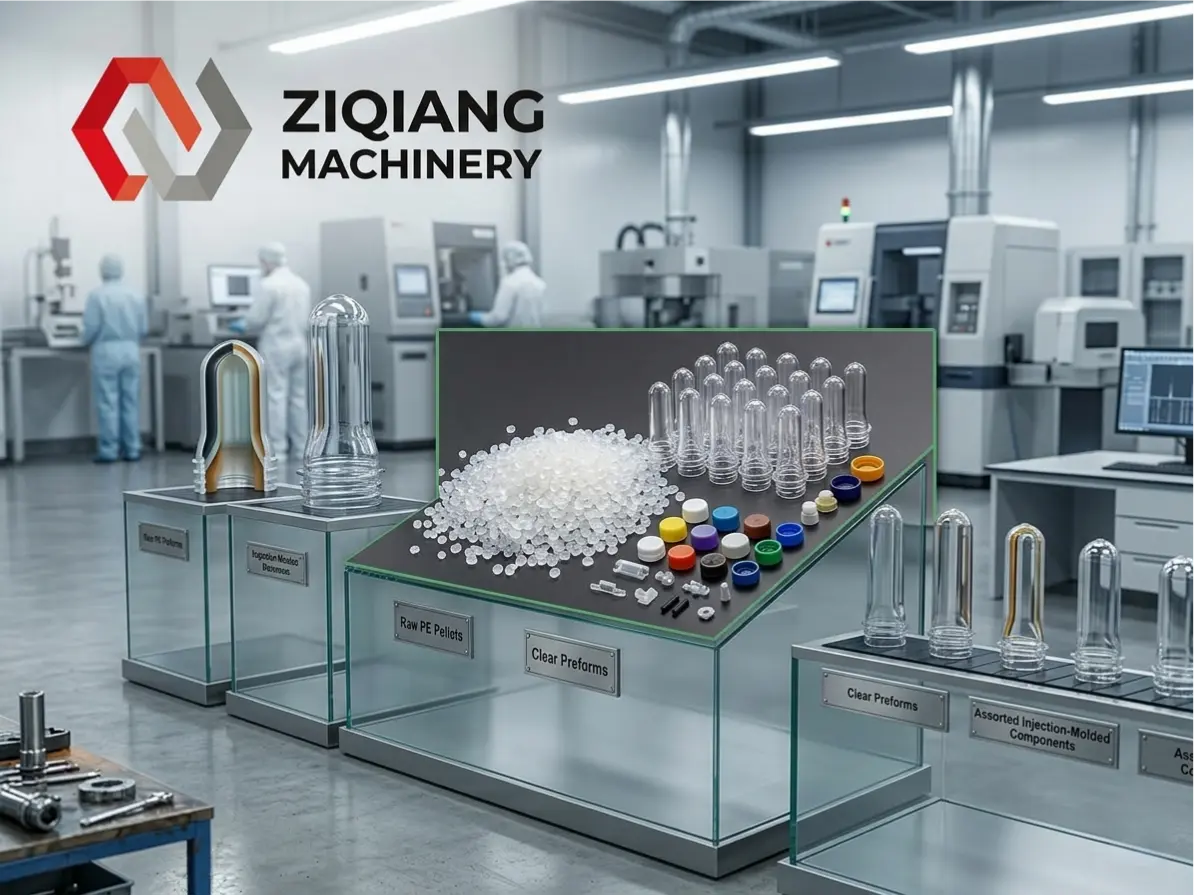
Selecting the right material is crucial for quality bottle production:
•HDPE (High-Density Polyethylene): Strong, durable, chemical-resistant
•LDPE (Low-Density Polyethylene): Lightweight, flexible, easy to mold
•Masterbatch: Adds color, UV protection, or performance-enhancing properties
Pro Tip: Using high-quality HDPE or LDPE improves bottle strength and ensures smooth molding, reducing defects.
Advantages of Using a PE Bottle Blowing Machine
•High-Speed Production: Produces thousands of bottles per hour•Consistent Quality: Uniform wall thickness and precision molding
•Automation Ready: Reduces labor costs and human errors
•Energy Efficient: Newer machines reduce electricity consumption
•Versatility: Can produce bottles of multiple shapes, sizes, and designs
Example: A medium-sized extruder blow molding machine can produce 2,500 bottles/hour while consuming 30% less energy than older models.
Industrial Applications of PE Bottle Blowing Machines
PE bottle blowing machines are versatile and serve multiple industries:•Beverage Industry: Water, juice, milk, and soft drink bottles
•Cosmetic Industry: Shampoo, conditioner, lotion, and cream bottles
•Pharmaceutical Industry: Syrups, medicines, and supplements
•Chemical Industry: Cleaning products, industrial chemicals, and lubricants
Key Insight: Industries requiring high-speed and high-quality bottle production rely heavily on automated PE bottle blowing machines.
PE Bottle Blowing Machine vs PET Bottle Blowing Machine
While both produce plastic bottles, there are important differences:| Feature | PE Bottle Blowing Machine | PET Bottle Blowing Machine |
| Material | HDPE / LDPE | PET (Polyethylene Terephthalate) |
| Bottle Clarity | Opaque or semi-transparent | Transparent, clear |
| Application | Milk, cosmetics, chemicals | Water, soft drinks, beverages |
| Production Process | Extrusion / Injection blow molding | Stretch blow molding |
| Cost | Moderate | Higher, due to PET handling |
Factors to Consider When Choosing a PE Bottle Blowing Machine
Important considerations include:•Production Capacity: Small, medium, or high-speed machines
•Automation Level: Fully automatic vs semi-automatic
•Energy Efficiency: Reduces operating costs
•Maintenance Ease: Quick part replacement and serviceability
•Raw Material Compatibility: HDPE, LDPE, and additives
Tip: Investing in an energy-efficient and automated machine pays off in long-term production savings.
How to Select a Reliable PE Bottle Blowing Machine Manufacturer
Choosing the right manufacturer ensures quality and reliability:•Experience & Reputation: Look for brands with proven track records
•Certifications: ISO, CE, or other quality standards
•After-Sales Support: Availability of spare parts and technical guidance
•Portfolio & Testimonials: Check previous clients and projects
•Customization Options: Ability to modify machines according to production needs
Pro Tip: Partnering with a manufacturer who provides training and installation support ensures smooth production startup.
Latest Technology Trends in PE Bottle Blowing Machines
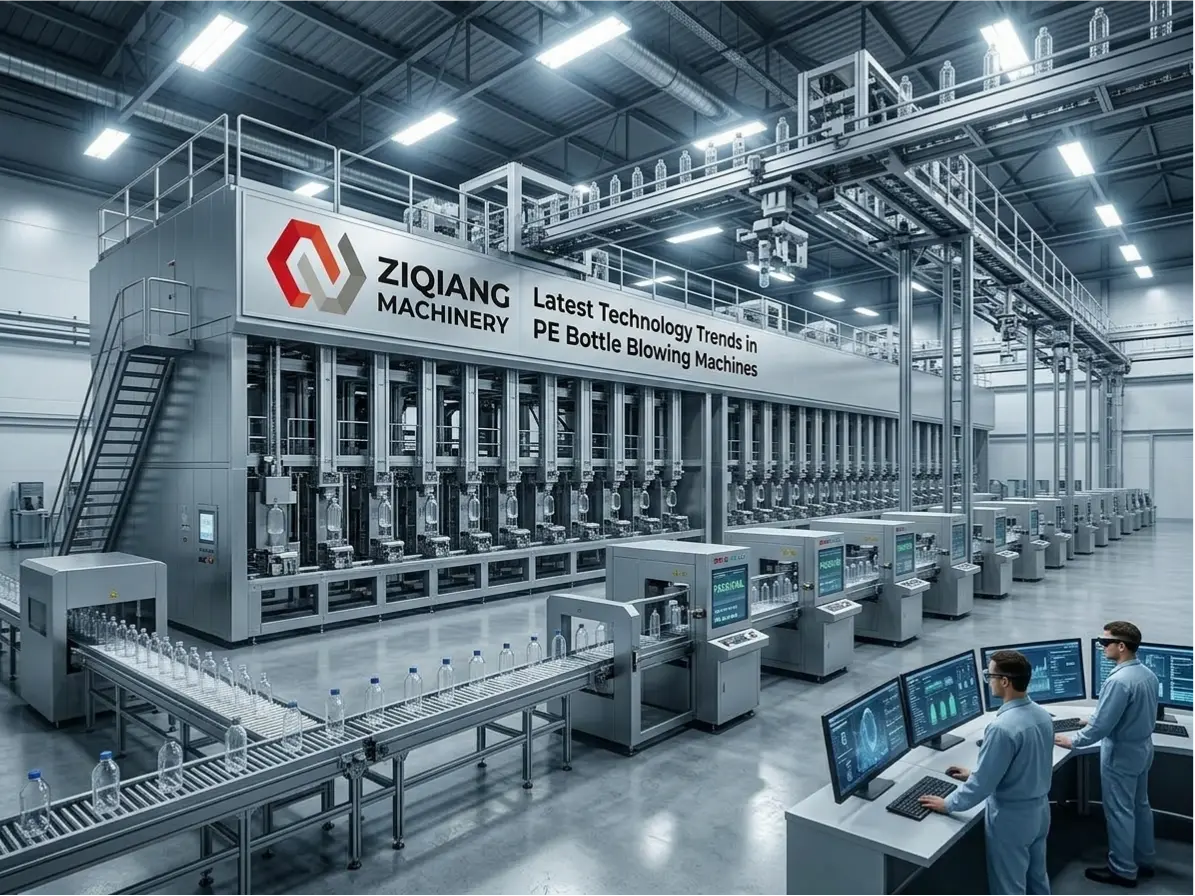
Modern PE bottle blowing machines feature:
•Smart Automation: Real-time monitoring of production parameters
•AI Integration: Predictive maintenance and process optimization
•Energy-Saving Motors and Compressors
•Advanced Mold Design: Supports complex bottle shapes
•Sustainable Materials: Machines compatible with recycled plastics
Insight: Staying updated with trends ensures machines remain competitive and environmentally compliant.
Maintenance Tips for PE Bottle Blowing Machines
Regular maintenance ensures long-term efficiency:•Clean extruder and mold surfaces regularly
•Lubricate moving parts
•Monitor air pressure and temperature
•Replace worn-out components promptly
•Schedule preventive maintenance every 3–6 months
Pro Tip: Use a maintenance log to track issues and service history, reducing machine downtime.
Common Problems and Solutions in PE Bottle Blowing Machine Production
| Problem | Cause | Solution |
| Uneven wall thickness | Incorrect temperature | Adjust heating settings |
| Bottle deformation | Mold misalignment | Recalibrate mold |
| Slow production | Worn components | Replace parts and optimize workflow |
| Surface defects | Low-quality resin | Use premium HDPE/LDPE |
Future Development of PE Bottle Blowing Machine Technology
The future trends include:•Smart Factories: IoT-enabled monitoring and AI-driven optimization
•Recycling Compatibility: Machines capable of using recycled plastics
•Energy-Efficient Production: Reduces carbon footprint
•Advanced Mold Technology: Supports innovative bottle designs
•AI Predictive Maintenance: Minimizes downtime and repair costs
These trends ensure PE bottle blowing machines continue to meet growing industrial and environmental demands.