





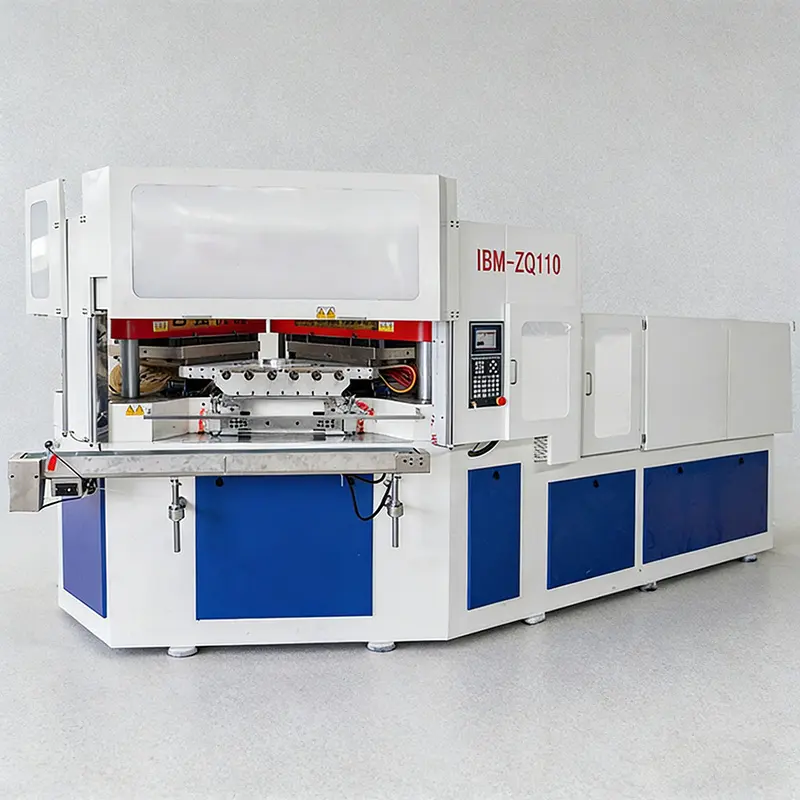
This guide explains what a plastic bottles blow molding machine is, how it works, the main types available, typical specifications, and what buyers should check before placing an order with a Chinese manufacturer. Whether you are an importer in Europe, a distributor in the Middle East, or a factory procurement manager in Southeast Asia, this article gives you practical information to compare suppliers and make an informed purchase.
What Is a Plastic Bottles Blow Molding Machine?
A plastic bottles blow molding machine is industrial equipment that shapes molten or preformed plastic into hollow bottle shapes using controlled air pressure inside a precision mold. The process turns raw plastic resin — typically HDPE, PP, PET, or PETG — into finished containers ready for filling and labeling.Depending on the bottle design and production volume, manufacturers use one of three core processes: injection blow molding, extrusion blow molding, or injection stretch blow molding. Each process suits different bottle sizes, wall thickness requirements, and industries, which is why most buyers need to understand the differences before requesting a quotation.
How Does a Plastic Bottles Blow Molding Machine Work?
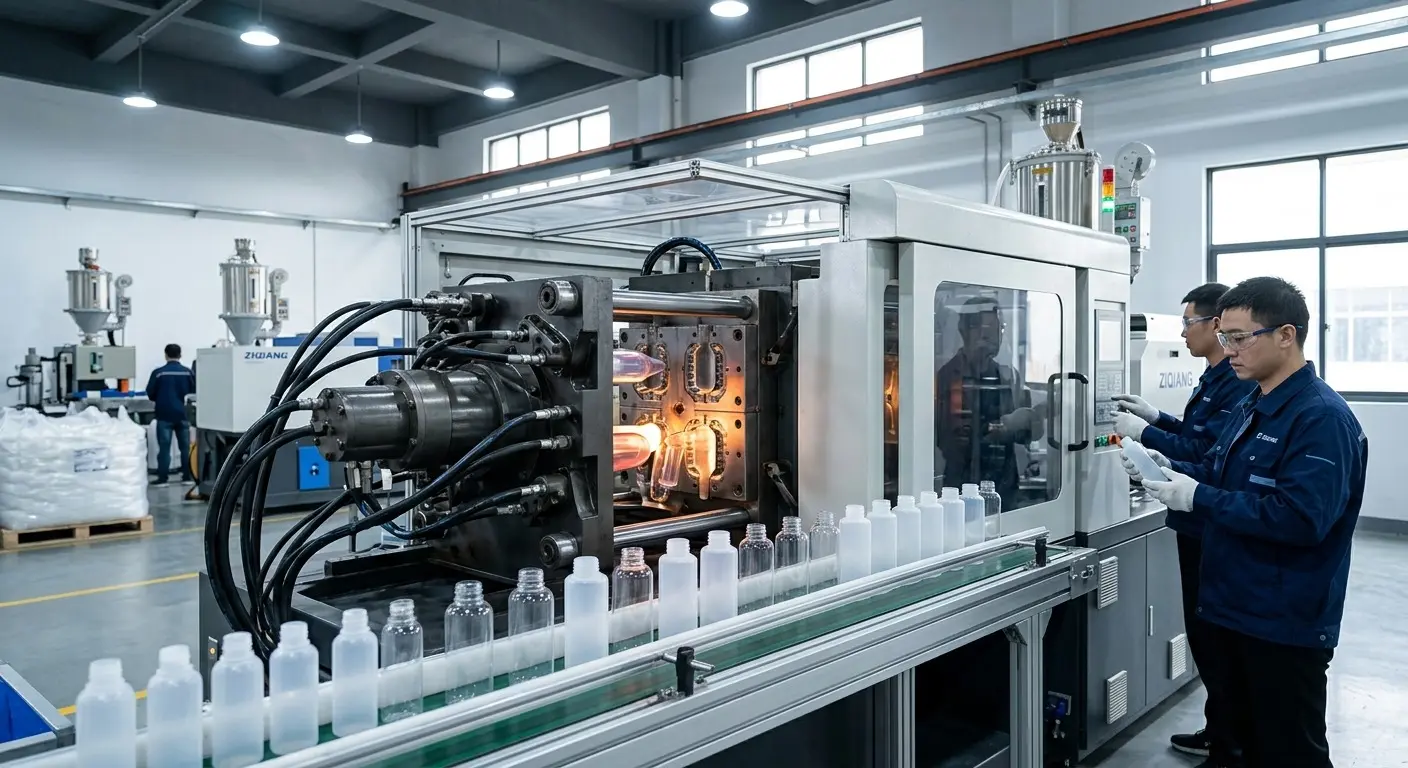
Every plastic bottles blow molding machine, regardless of type, follows the same basic sequence:• Plastic pellets are fed into a heated barrel and melted to a workable temperature.
• The molten plastic is formed into a tube-like shape called a parison, or injected into a preform mold to create a preform.
• The preform or parison is clamped inside a two-piece bottle mold.
• Compressed air is blown into the softened plastic, forcing it against the mold walls to take the bottle's final shape.
• Cooling channels inside the mold solidify the plastic quickly, and the finished bottle is ejected.
The main difference between machine types is how the parison or preform is created — this single step affects neck precision, wall thickness consistency, and the maximum bottle size the machine can produce.
Types of Plastic Bottles Blow Molding Machines: Injection vs Extrusion vs Stretch
Buyers often assume "blow molding machine" means one type of equipment, but there are three distinct processes, each with its own strengths:• Injection blow molding (IBM): Best for small, high-precision bottles such as pharmaceutical vials, eye drop bottles, and cosmetic serum bottles. The neck is injection molded, so it needs no trimming and offers tight sealing tolerances. See ZIQIANG's injection blow molding machine range, covering bottle sizes from a few milliliters up to roughly 500 ml.
• Extrusion blow molding (EBM): Suited to larger containers such as HDPE milk bottles, detergent bottles, and industrial drums. This process is more cost-effective for bigger volumes and simpler bottle shapes. Explore ZIQIANG's extrusion blow molding machine options for PE, PP, and HDPE containers.
• Injection stretch blow molding (ISBM): Used for high-clarity PET bottles like water and beverage bottles, where transparency and lightweight strength matter most. ZIQIANG also offers an injection stretch blow moulding machine line for one-step and two-step production.
Choosing between these three comes down to your bottle size, material, output target, and appearance requirements — not simply price.
Plastic Bottles Blow Molding Machine Specifications & Technical Parameters
Below is a general specification range covering common small-to-mid-size plastic bottles blow molding machine models used for pharmaceutical, cosmetic, and food bottle production. Exact figures vary by model and cavity configuration.| Parameter | Typical Range |
| Bottle volume | 2 ml – 5 L |
| Number of cavities | 1 – 12 |
| Clamping force | 3 – 15 tons |
| Output | 300 – 12,000 bottles/hour |
| Drive type | Full electric, servo, or hydraulic |
| Common materials | HDPE, PP, LDPE, PETG, PS |
| Power supply | 380V/220V, 50/60Hz (customizable) |
| Certification | CE |
What Bottles Can a Plastic Bottles Blow Molding Machine Produce?
A properly configured plastic bottles blow molding machine can produce a wide range of container types, including:• Eye drop and oral liquid bottles
• Pharmaceutical and nutraceutical bottles
• Cosmetic and skincare containers (serum, lotion, spray bottles)
• Food and condiment jars
• Household chemical and detergent bottles
• Water, juice, and beverage bottles
• Industrial jerrycans and drums (extrusion process)
The bottle shape, neck finish, and wall thickness depend heavily on which molding process and mold design is used.
Applications: Pharmaceutical, Cosmetic, Food & Beverage Bottle Production
Pharmaceutical: Requires tight neck tolerances, flash-free surfaces, and clean-room compatible production. Injection blow molding is the preferred choice here because the neck is molded, not trimmed.Cosmetic: Brand owners often prioritize surface finish, wall clarity, and custom bottle shapes. Both IBM and ISBM processes are common depending on bottle size.
Food & beverage: Food-contact safety is essential. HDPE and PP machines must produce containers that meet international food-contact material standards, and PET bottles for water and juice typically use the stretch blow molding process for clarity and lightweight strength.
Buyers should always confirm which materials and finish requirements match their target industry before finalizing a machine order.
Full-Electric vs Servo vs Hydraulic Plastic Bottles Blow Molding Machine – Which Is Best?
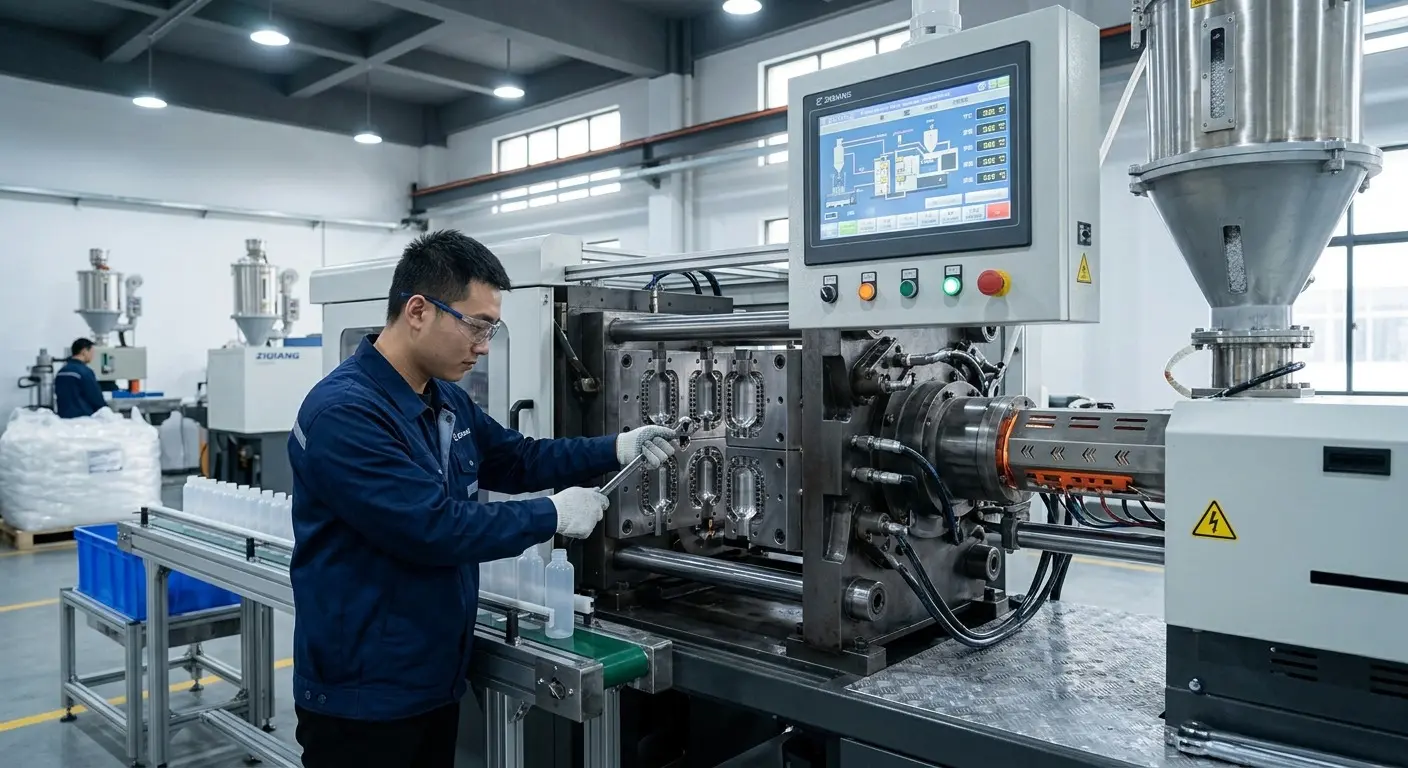
Each drive type has trade-offs, and the right fit depends on production requirements, energy costs, and clean-room needs:
• Full-electric: Uses servo motors for every motion, eliminating hydraulic oil. Offers energy savings and consistent output, favored for pharmaceutical and cosmetic production where contamination control matters.
• Servo-hydraulic: Combines servo control with hydraulic power for higher clamping force, suited to mid-to-large bottle production.
• Hydraulic: Traditional and reliable, generally with lower upfront cost, though it consumes more energy and requires more maintenance over time.
There is no single option that fits every buyer — it depends on your budget, bottle type, and long-term energy costs.
Plastic Bottles Blow Molding Machine Price: What Affects the Cost?
Several factors influence the price of a plastic bottles blow molding machine:• Number of cavities and mold complexity
• Machine drive type (full-electric machines usually cost more upfront but save on energy)
• Clamping force and overall machine size
• Automation level (manual, semi-automatic, fully automatic)
• Included accessories such as auxiliary dryers, conveyors, or leak testers
• Mold customization for unique bottle shapes
Buyers should request an itemized quotation that separates machine cost, mold cost, shipping, and any optional accessories, rather than a single lump-sum figure. This makes it easier to compare quotes from different suppliers on equal terms.
How to Choose the Right Plastic Bottles Blow Molding Machine for Your Business
Before sending an inquiry, buyers should prepare the following information so a manufacturer can recommend the right machine:• Target bottle size(s) and material
• Required output (bottles per hour or per day)
• Industry and any regulatory requirements (pharma, food, cosmetic)
• Available factory space and power supply
• Budget range and expected order timeline
It also helps to ask suppliers direct questions: How many years have they been manufacturing this equipment? Do they produce in-house or resell? What certifications do their machines carry? Can they provide references from buyers in a similar region or industry?
Plastic Bottles Blow Molding Machine Capacity & Output (Bottles Per Hour)
Output capacity depends on bottle size, number of cavities, and cycle time:• Small-scale machines (1–4 cavities): roughly 1,000–3,000 bottles/hour — suited to startups or small-batch pharmaceutical runs.
• Mid-scale machines (4–8 cavities): roughly 3,000–6,000 bottles/hour — suited to cosmetic brands and mid-volume food packaging.
• High-scale machines (8–12 cavities): roughly 6,000–12,000 bottles/hour — suited to large manufacturers supplying retail or hospital-scale demand.
Actual output should always be confirmed against your specific bottle design, since wall thickness and neck complexity affect cycle time.
Why Choose ZIQIANG as Your Plastic Bottles Blow Molding Machine Manufacturer
Zhangjiagang Ziqiang Machinery Co., Ltd. is a China-based manufacturer with over 20 years of experience designing and producing blow molding equipment. About Ziqiang Machinery, the company operates as a direct manufacturer rather than a trading company, handling R&D, production, and after-sales support in-house.Key points buyers commonly look for:
• 20+ years of manufacturing experience
• Full in-house production — not a trading company
• CE-certified machines
• Machines exported to 30+ countries and regions
• Injection, extrusion, and injection stretch blow molding machine ranges available
• Direct factory pricing with technical support during and after installation
Buyers evaluating any supplier — including ZIQIANG — should verify certifications, request a factory visit or video inspection option, and ask for a written quotation based on their specific bottle requirements.
Plastic Bottles Blow Molding Machine Maintenance & Common Troubleshooting
Regular maintenance keeps output stable and extends machine lifespan:• Inspect and clean mold cavities regularly to prevent surface defects on bottles.
• Check hydraulic oil levels and filters on hydraulic and servo-hydraulic machines.
• Monitor air compressor pressure, since inconsistent air pressure is a common cause of uneven wall thickness.
• Lubricate moving parts on the clamping and rotation systems according to the manufacturer's schedule.
• Keep spare parts (seals, heating bands, sensors) on hand to minimize downtime.
Most production issues — flash on the neck, uneven wall thickness, or short shots — trace back to temperature control, air pressure, or mold wear, so these are the first areas to check during troubleshooting.
Plastic Bottles Blow Molding Machine vs Traditional Bottle Making Methods
Compared to older manual or semi-manual bottle forming methods, a modern plastic bottles blow molding machine offers:• Higher output consistency across thousands of bottles per shift
• Lower material waste through precise parison and preform control
• Better dimensional accuracy for automated filling lines
• Lower long-term labor cost through automation
Manual or low-automation methods may still suit very small production runs, but most commercial buyers move to automated blow molding once volume exceeds a few hundred bottles per day.
Frequently Asked Questions About Plastic Bottles Blow Molding Machines
1. What is the difference between injection blow molding and extrusion blow molding?Injection blow molding forms the neck through injection molding first, giving precise, flash-free necks — ideal for small pharmaceutical and cosmetic bottles. Extrusion blow molding forms a continuous parison and is generally more economical for larger, simpler bottle shapes.
2. Can one machine produce different bottle sizes?
Yes, but it requires changing the mold. Most manufacturers design machines to accept multiple mold sets within a defined size range, so buyers should confirm mold-change time and cost when comparing machines.
3. How long does delivery usually take after placing an order?
Lead time depends on machine customization and mold design, typically ranging from a few weeks for standard models to a couple of months for machines with custom molds. Always request a written delivery timeline in your contract.
4. Do these machines require special training to operate?
Basic training is usually needed for a technician to run daily production, while advanced troubleshooting is typically supported remotely or on-site by the manufacturer's engineers during the warranty period.
5. What certifications should I look for when buying from China?
CE certification is the most common requirement for import into the EU, UK, and many other regions with strict machinery safety standards. Ask for certification documents before finalizing payment.
6. Can the machine produce food-grade or pharmaceutical-grade bottles?
Yes, provided the machine, mold, and material selection meet the relevant food-contact or pharmaceutical packaging standards for your target market. Confirm material compatibility with your supplier in advance.
Conclusion
A plastic bottles blow molding machine is a long-term investment that directly affects your product quality, production cost, and ability to meet buyer specifications across pharmaceutical, cosmetic, food, and beverage packaging. Understanding the different machine types, realistic specifications, and what drives pricing puts you in a much stronger position when comparing suppliers.If you are evaluating machines for your next production line, contact us with your bottle specifications, target output, and industry requirements. Our team can walk you through suitable models, provide factory-direct pricing, and support customization, sample requests, and technical questions before you commit to an order.