





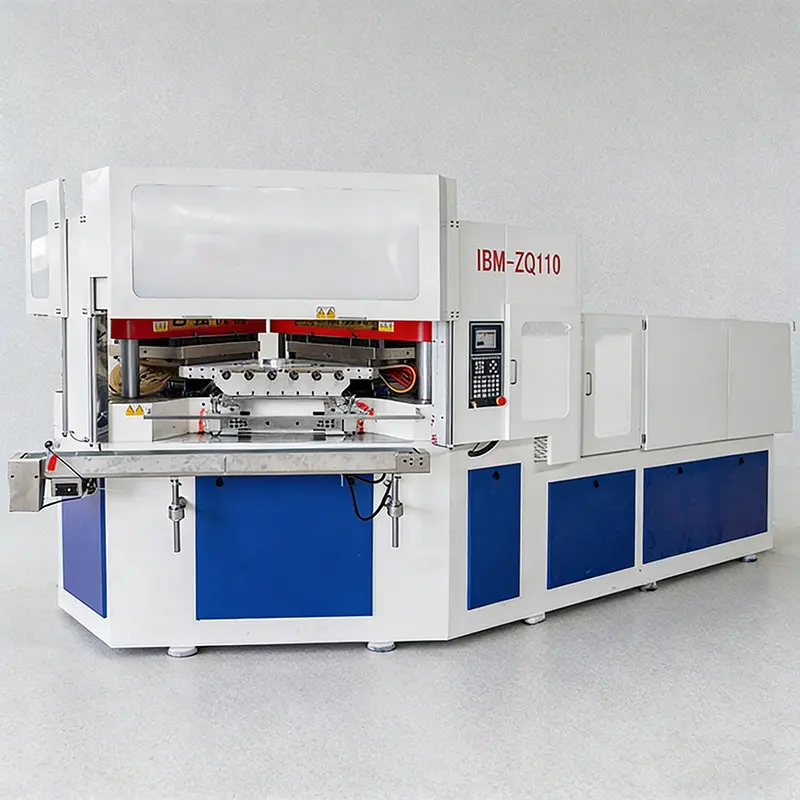
Injection blow molding is a big part of how that's even possible right now. The machines have gotten good, genuinely good, at turning out bottles that are light, tough, and dimensionally on-point even when the line is running at full speed. But speed alone doesn't make a good bottle. What actually decides whether a bottle performs the way it's supposed to is quality control, and that has to happen at every step, not just at the end.
Why This Method Keeps Winning Out
Ask around and you'll find injection blow molding is the go-to for small and mid-sized containers, mostly because it hits that sweet spot between dimensional accuracy and just being fast to run.Older methods usually need extra finishing after the fact, sanding down a seam or reshaping a neck. Injection blow molding skips most of that. You get smooth surfaces, clean neck finishes, and even wall thickness right out of the mold. For pharma, cosmetics, personal care, food packaging, that consistency isn't a bonus feature. It's kind of the entire point of the job.
As more lines go automated, these machines hold up better cycle to cycle, waste less resin, and keep tighter tolerances than they used to. So output goes up without the precision going down, which is basically what everyone in this industry has been chasing for a decade.
The Equipment Matters More Than People Think
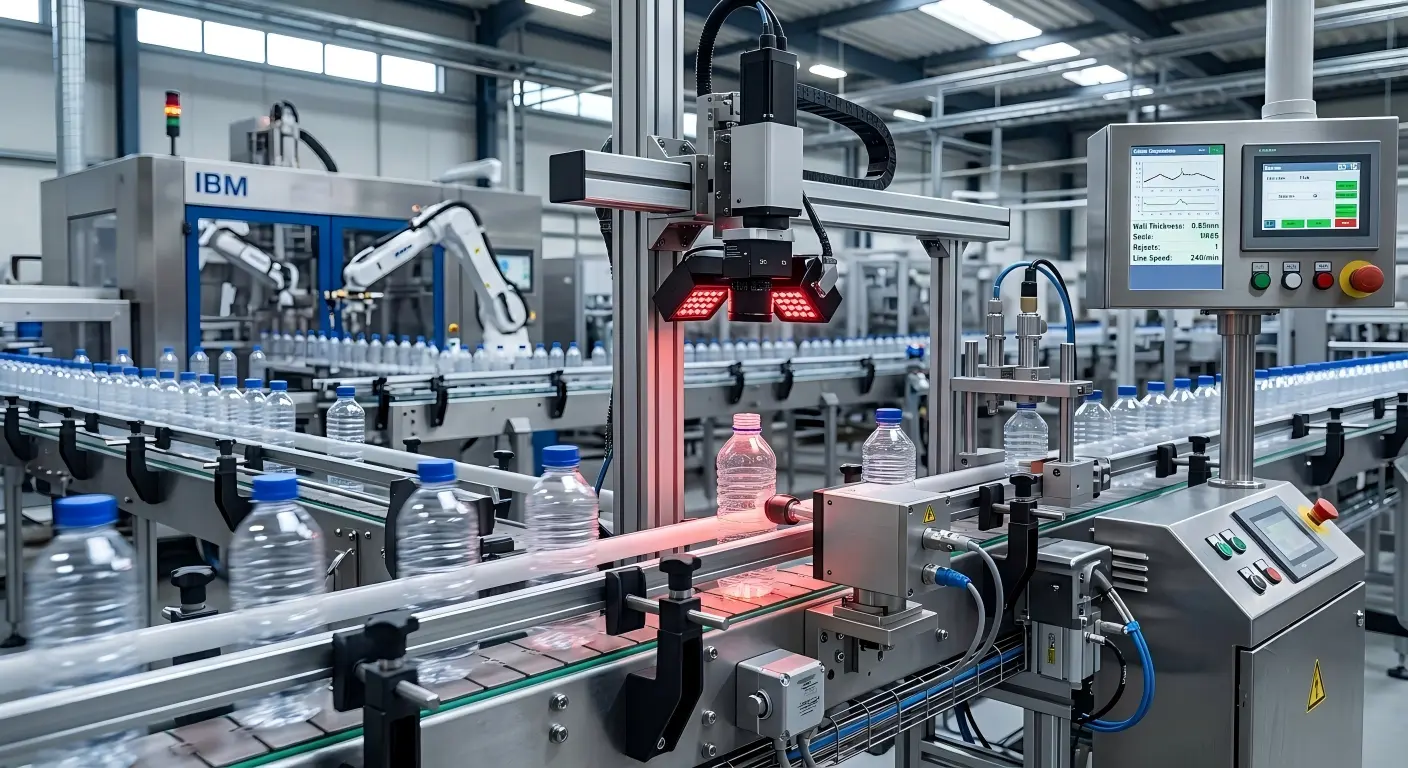
Here's a thing people forget: you can have the best resin money can buy, and it won't save you if the equipment running it is inconsistent. Feeding, injection, blowing, cooling, each step has to sit inside a pretty narrow window or the whole batch is compromised.Good machines keep that window steady. Temperature holds, pressure holds, cycle time holds, and what comes out the other end is uniform, dimensionally sound, with far fewer rejects. There's a side benefit too. Machines that run consistently also break down less, so lines stay up longer and quality doesn't drift halfway through a shift.
Looking at the Bottle Isn't Quality Control
Here's the uncomfortable part. Most defects don't show up if you're just eyeballing the finished product. A bottle can look completely normal, pick it up, hold it to the light, whatever, and still have a wall thickness that's off, or a material inconsistency that won't show itself until it's on a filling line or already sitting on a store shelf.So the manufacturers who actually stay out of trouble build testing into the process itself instead of waiting for a final inspection to catch everything, which, frankly, it never does.
Checking dimensions, checking material consistency, checking mechanical performance, all of that catches problems while they're still small and cheap to fix. Having decent material testing equipment in place is really what lets a manufacturer say, with confidence, that what's leaving the plant actually meets spec rather than just hoping for the best.
Automation Isn't Just About Speed
People talk about automation like it's purely a speed thing, but that's honestly a small part of it. Modern injection blow molding machines have intelligent controls, automated adjustments, real-time monitoring, the works, and all of that takes a huge amount of manual correction off the operator's hands.So instead of babysitting settings all day, operators end up spending their time on machine performance, catching maintenance issues early, and actually improving the process instead of just reacting to it. The real payoff of automation is predictability. When the key parameters stay put run after run, you get fewer defects, better use of raw material, and production that holds up even when volume spikes hard. Try telling a pharmaceutical client their packaging tolerance slipped because the line got busy, that conversation doesn't go well, so this consistency actually matters a lot more than it sounds like on paper.
Data Doesn't Mean Much Without Testing Behind It
Manufacturing floors generate a ridiculous amount of data these days. Cycle times, temperatures, pressure logs, inspection counts, it just piles up. The problem is none of that data means anything if it isn't actually reflecting the real quality of the product, and that gap is easy to miss if nobody's checking for it.This is where lab testing and quality verification earn their keep, because they're what makes all that production data trustworthy in the first place. Reading up on how testing equipment supports product strength and consistency is a good way to understand why manufacturers can't just lean on efficiency numbers and call it a day. Efficiency and quality assurance have to move together or the data's basically decoration.
Trust Is Built One Consistent Batch at a Time
Customers don't want packaging that's "usually fine." Pharma companies need bottles hitting exact tolerances every time. Cosmetic brands care about how the thing looks and feels in someone's hand. Food manufacturers need packaging that holds up through shipping, storage, temperature swings, all of it.None of that happens from equipment alone. It takes precision machinery, tight process control, operators who actually know what they're doing, and testing that never really stops. Skip any one of those and something eventually slips through.
Manufacturers who keep investing in both good molding technology and serious quality management just end up ahead, fewer defects, tighter operations, packaging that actually does what it's supposed to. That's what keeps clients coming back and keeps a company competitive when the market isn't getting any easier.
Bottom Line
Plastic packaging isn't slowing down, and neither is the pressure for more output, tighter consistency, better quality, pick your metric. Injection blow molding machines bring the speed and precision manufacturers need to keep up, but it's the testing and quality control running alongside that equipment that decides whether each bottle actually does its job.Get both right, solid machinery and real testing, and manufacturers end up wasting less, running more efficiently, and shipping packaging that holds up to what pharma, cosmetics, food, and consumer goods companies expect today.